
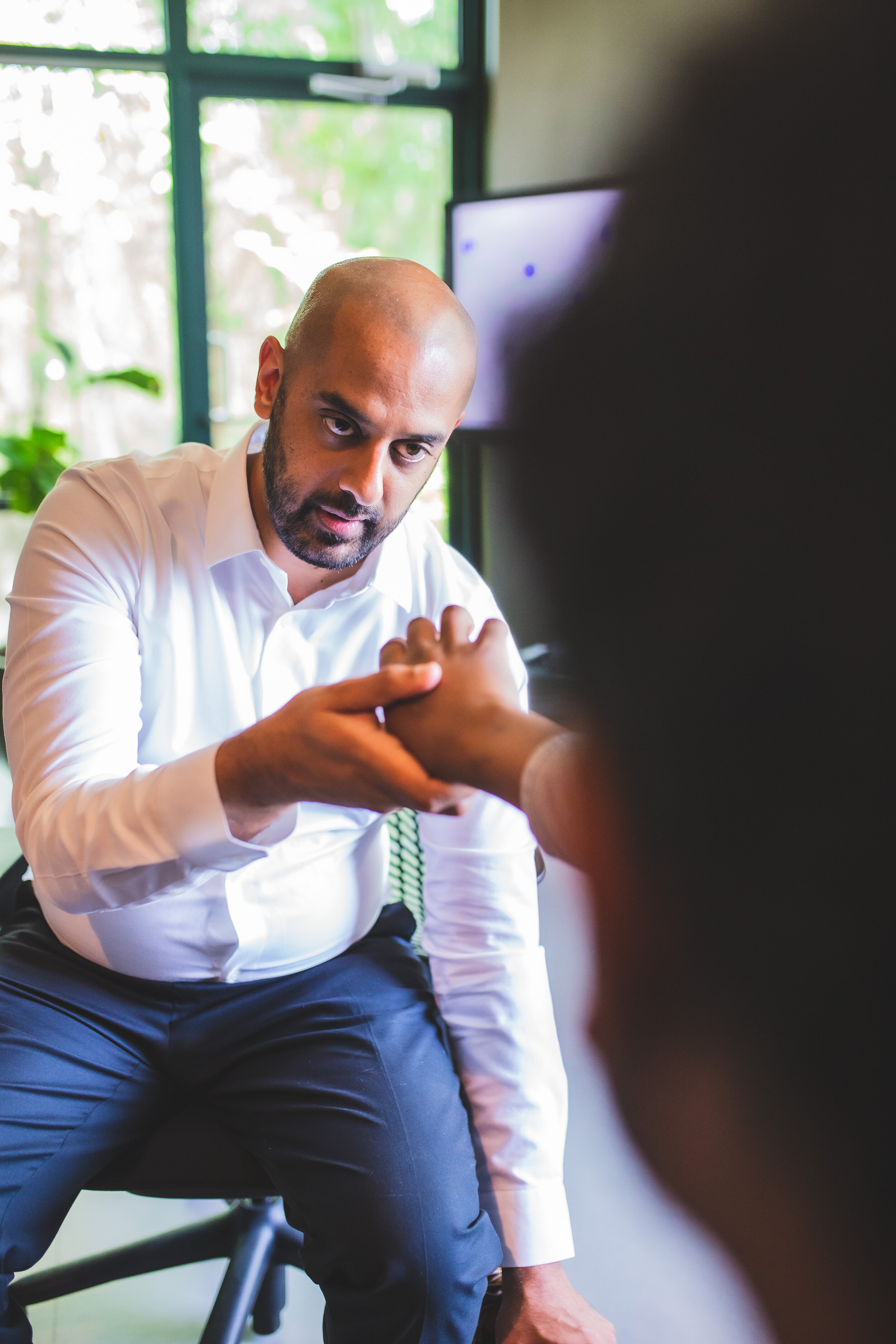
STROKES & VASCULAR INJURIES

Living with the effects of a stroke can be deeply disabling and frustrating. A stroke can change your movement, vision, speech and thinking, making it hard to do the things that matter to you.
Your NeuroRescue Program is designed to support the parts of your nervous system that are still working, with the goal of helping you improve function and get back to more of the life you want to live. Our care works alongside your physician, neurologist and stroke rehabilitation team, never in place of them. Please don’t change or stop any medication, including blood thinners or blood pressure medication, without talking with your prescriber.
Call 911 right away for any new stroke symptoms, such as sudden face drooping, arm or leg weakness, numbness, trouble speaking, vision loss, severe dizziness or a sudden severe headache. Fast treatment matters.
WHAT IS A STROKE?
A stroke happens when a blood vessel that supplies the brain is either blocked (an ischemic stroke) or bursts (a hemorrhagic stroke). The parts of the brain that depend on that blood vessel lose their supply of oxygen and nutrients and can be damaged or die. Strokes can be disabling and can cause significant changes in how the brain and body work.
CONDITION TYPES
Transient Ischemic Attack | Arteriovenous | Aphasia | Hemiparesis | Thalamic Pain Syndrome
OUR TREATMENTS
A stroke damages brain cells and pathways by disrupting blood flow. Nerve cells that go without oxygen for too long die, and those cells can’t be brought back. Other nerve cells in the same pathways may be injured and lose some of their function. These cells may still be alive, but without the right kind of stimulation, they may weaken further over time. Our therapies are designed to work with the nerve cells that are still working, with the goal of helping them work better. Carefully targeted stimulation and exercises may help improve the function and endurance of these injured cells, with the goal of improving balance, movement control, vision and overall function. We use computerized testing and a detailed neurological exam to help identify which pathways are struggling, then create a rehabilitation plan designed for you, with the goal of helping you regain as much function as possible. Read More
CLINICAL RESEARCH
Stroke research keeps advancing, and researchers have made important progress in how injured brain pathways are measured. A number of rehabilitation approaches have been studied for improving quality of life after a stroke. We use this research to help guide your testing and to design a therapy program aimed at the best possible outcome for you. Results vary from person to person. You can find some of this research here. Learn More

“I was told I would never walk again after a spinal stroke, but after working with Dr. Zielinski, I am walking with a cane most of the time but I am walking. I had fallen 9 times, ending up in the ER once, but working on my vestibular issues, I am no longer falling. He is a fabulous doctor and I tell everyone!”
Our Brain-Based Approach To Stroke Recovery

-
We use computerized neurological testing and targeted rehabilitation strategies designed for your brain and condition..
-
We offer intensive programs with frequent therapy sessions over 5 to 10 days, designed to give your nervous system consistent, repeated stimulation in a short period of time.
Hear From Our Patients
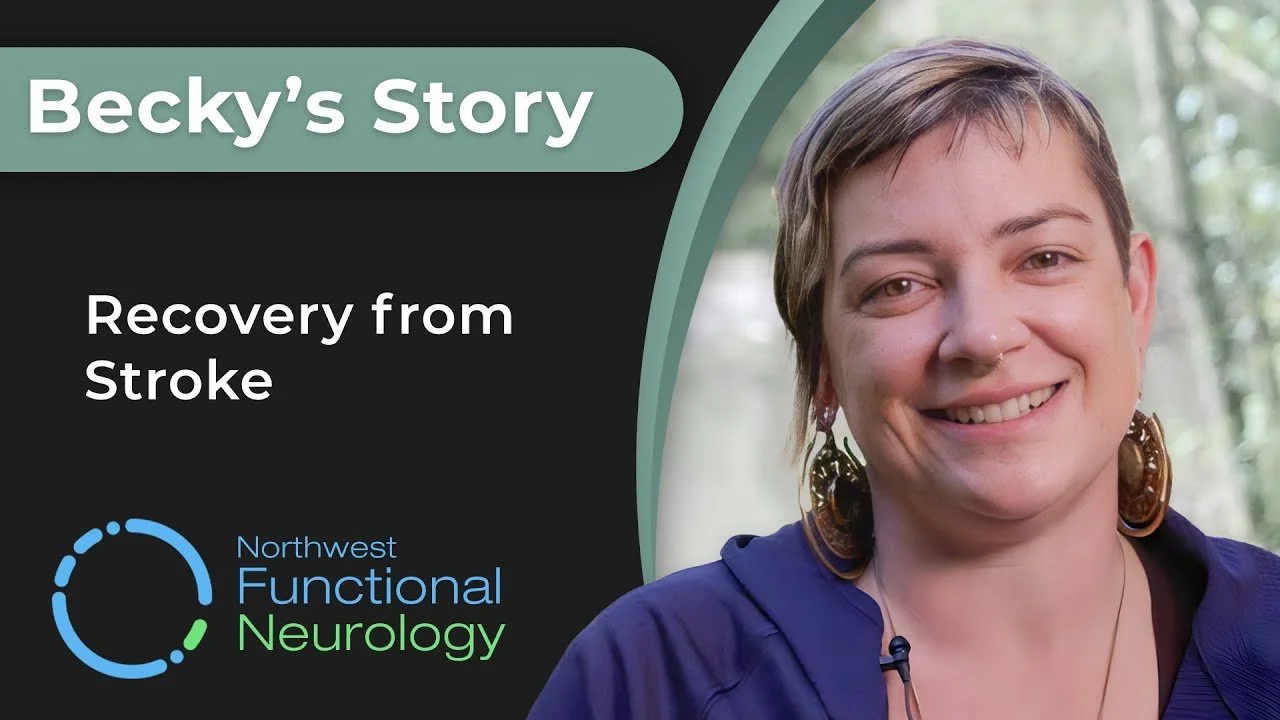
Becky's Story: Recovery from Stroke