

CONDITIONS WE TREAT
Every neurological condition is different,
and so is every person living with one.
We help you find the path forward that’s right for you.
-
After a concussion, even simple tasks can feel impossible.
A concussion is a form of mild traumatic brain injury, but living with one can be anything but mild. A concussion changes how your brain functions, and it can deeply affect your quality of life. You may struggle with severe headaches, dizziness, balance problems, double vision, sensitivity to light and sound, fatigue, trouble concentrating or remembering, and emotions that feel harder to manage.
For many people, symptoms fade within a few weeks. For others, they linger for months or even years. If your symptoms aren’t improving, it’s worth getting a thorough evaluation.
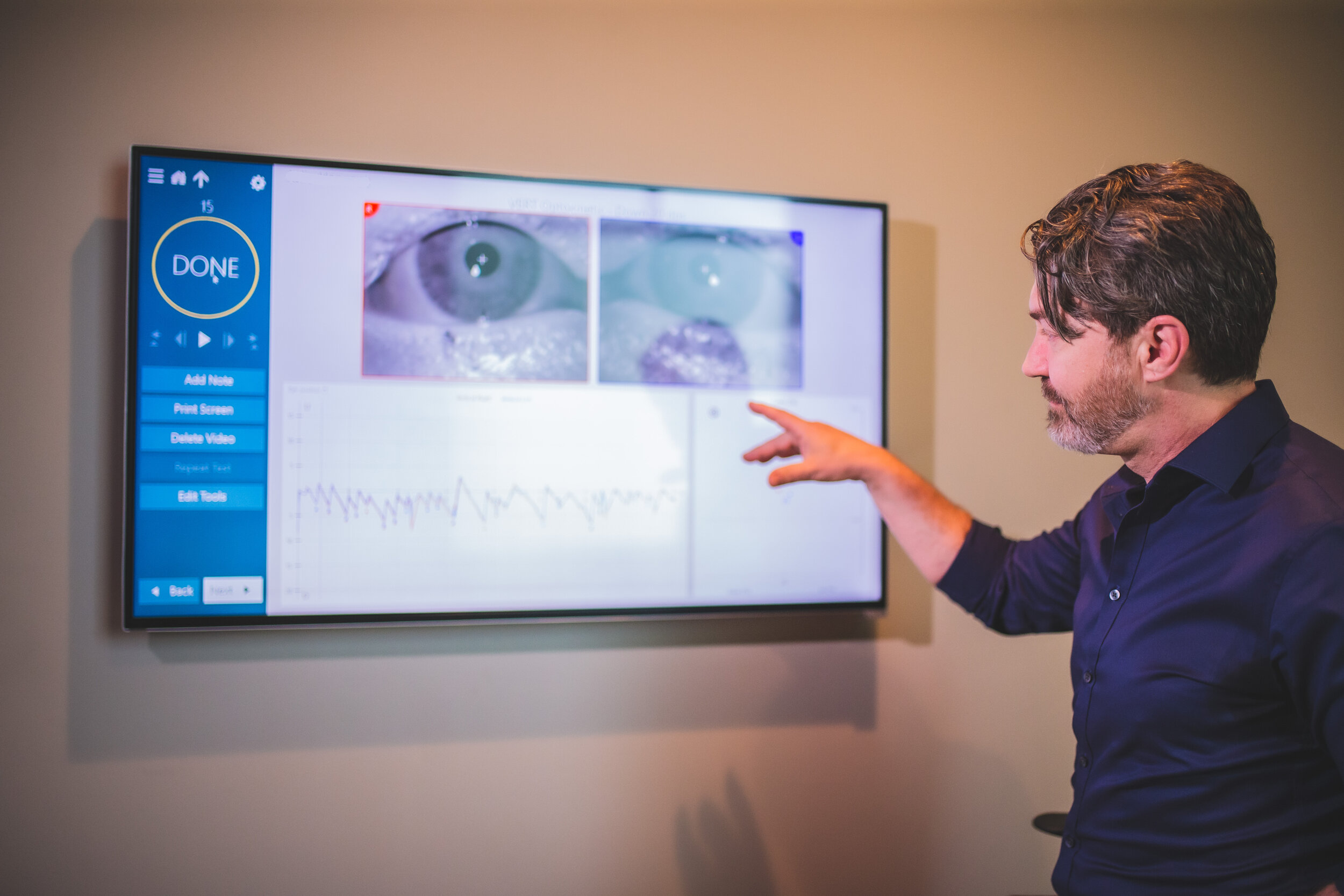
Your care starts with a detailed neurological exam and objective testing, including videonystagmography (VNG), the video head impulse test (vHIT) and CAPS computerized posturography. These help us understand which brain pathways and systems have been affected by your injury and how well they’re working. We then design your personal NeuroRescue Program, using targeted therapies and exercises to help those systems work better, both on their own and together.
Concussions often affect pathways that connect the eyes, the inner ear’s balance system, and the muscles and joints that tell your brain where your body is. In many patients, these systems stop working together smoothly. Your NeuroRescue Program is designed to strengthen these pathways and help them work together again, so you can feel more comfortable and confident in your daily life. We work alongside your other providers to make sure you get the care you need.
Ready to take the next step? One of our patient care coordinators can help you get started. Read on to learn more about brain injuries and their effects, or contact us to begin.
If you have a worsening headache, repeated vomiting, confusion, slurred speech, or unusual drowsiness after a head injury, seek emergency care right away.
-
When the world won’t stay still
Vertigo can make you feel like you’re spinning or that the world around you is spinning. It can also feel like falling, tilting, swaying, or being pulled in one direction. Dizziness often feels like lightheadedness, as if you’re about to faint. Both can be exhausting and can affect almost every part of your life. When you can’t feel steady, the world can become a scary place.
Dizziness and vertigo often come from a problem in the inner ear’s balance system, called the vestibular system. They can also come from problems in the brainstem, the cerebellum, or other brain areas that process signals from the inner ear. When the signals from your inner ear don’t match what your eyes and body are telling your brain, that mismatch can create a false sense of motion.
Your care starts with a detailed exam and objective testing, including videonystagmography (VNG), the video head impulse test (vHIT) and CAPS computerized posturography. These help us understand where that mismatch may be coming from. We then design your personal NeuroRescue Program, using targeted exercises and therapies to help your inner ear, eyes and body work together better. Our goal is to help you feel steadier, more confident, and more at home in the world around you. We work alongside your other providers to make sure you get the care you need.
Ready to take the next step? One of our patient care coordinators can help you get started. Read on to learn more, or contact us to begin.
If your dizziness comes on suddenly with slurred speech, facial drooping, weakness, or a severe headache, call 911 right away.
-
When headaches take over your life
Every 10 seconds, someone in the U.S. goes to the emergency room with head pain, and more than 90% of people with migraine can’t work or function normally during an attack. Headaches and migraines are among the most common and most disabling neurological disorders.
They can bring much more than pain. Nausea, vomiting, dizziness and sensitivity to light, sound and other senses can all come with an attack. When you have to miss a family event or a day of work, guilt and frustration can make the pain even harder to bear.
You don’t have to face this alone.
Your care starts with a detailed neurological exam and objective testing. These help us understand which systems may be contributing to your headaches or migraines and how they’re working. We then design your personal NeuroRescue Program, using targeted exercises and therapies aimed at those specific pathways and systems. Our goal is to help reduce how often your headaches happen and how much they disrupt your life. We work alongside your other providers, including any doctors managing your headache medications.
Ready to take the next step? One of our patient care coordinators can help you get started. Read on to learn more, or contact us to begin.
Seek emergency care right away for a sudden, severe “worst ever” headache, or a headache with fever, a stiff neck, confusion, weakness, vision loss or trouble speaking.
-
When your body won’t move the way you want it to
Movement disorders can be some of the most frustrating and difficult problems anyone faces. Your body may not respond the way you ask it to. Simple movements can take effort and focus, and it can feel harder and harder to take part in the world around you.
Movement disorders can involve several areas of the brain, such as the basal ganglia, the cerebellum, the frontal motor cortex and the parietal sensory cortex. Your care starts with a detailed neurological exam, along with objective testing of your balance, coordination and eye movements. These help us understand how the networks involved in your movement, posture and coordination are working.
From there, we build your personal NeuroRescue Program, using targeted exercises and therapies designed to support those networks and help you function as well as possible day to day. Some movement disorders are caused by neurodegenerative diseases, such as Parkinson’s disease, which have no known cure. For every patient, our focus is on improving function and quality of life, not curing disease. Our goal is to help you move with more control and confidence and stay active in the parts of life that matter most to you. Our care doesn’t replace medical treatment. It adds to it, working alongside your neurologist and other providers to give you another strong layer of support.
Ready to take the next step? One of our patient care coordinators can help you get started. Read on to learn more, or contact us to begin.
-
Life after a stroke
A stroke happens when a blood vessel in the brain becomes blocked or bursts. The parts of the brain that depend on that vessel for blood can be damaged, which can lead to lasting problems with movement, thinking and daily function.
Living with the effects of a stroke can be deeply frustrating. Simple tasks may suddenly feel extremely hard. You may struggle with memory, movement, balance, walking or concentration. Depression, anxiety, anger and irritability are also common after a stroke, and they’re a real part of the injury, not a personal failing.
There is hope. With focused rehabilitation, symptoms can often be managed, function can improve, and quality of life can get better.
Your care starts with your Discovery Day, a detailed neurological exam and objective testing that help us understand how the systems affected by your stroke are working. We use what we learn to design your personal NeuroRescue Program, with targeted exercises and therapies focused on strengthening the connections between your brain and body. Our goal is to help you regain as much function and independence as possible, and to make daily life feel more manageable. We work alongside your neurologist, primary care doctor and other providers, who continue to manage your medical care and stroke prevention.
Ready to take the next step? One of our patient care coordinators can help you get started. Read on to learn more, or contact us to begin.
If you or someone near you has sudden face drooping, arm or leg weakness, slurred speech, confusion, vision loss or a severe headache, call 911 immediately. Fast treatment for a stroke is critical.
-
Help for dysautonomia
People living with dysautonomia can struggle with dizziness and lightheadedness, balance problems, trouble thinking clearly, and often chronic pain. You may feel like you’re about to pass out, or that your heart rate and blood pressure won’t stay steady. Even simple daily tasks can feel exhausting or impossible.
You’re not imagining it, and you don’t have to figure it out alone.
Dysautonomia is a group of conditions in which the autonomic nervous system, the part that controls automatic functions like heart rate and blood pressure, doesn’t work as it should. It can develop after a brain injury, a viral infection, an autoimmune condition or other causes. In many of the patients we see, part of the problem involves how the inner ear’s balance system and the brainstem work together to help control blood flow to the brain.
Your care starts with a detailed neurological exam. This includes objective testing of your visual, vestibular and balance function. We also measure your heart rate and blood pressure in different positions, including on a tilt table. These tests help us understand which systems are involved in your case. From there, we build your personal NeuroRescue Program, designed to help those systems work better together.
Our goal is to help you feel steadier, think more clearly, and get back to more of the things you love. We work alongside your other providers, including any cardiologist or other physician managing your care, because dysautonomia often needs a team approach.
Ready to take the next step? One of our patient care coordinators can help you get started. Read on to learn more, or contact us to begin.
If you faint along with chest pain, a racing or irregular heartbeat, or shortness of breath, seek emergency care right away.
You don’t have to keep living this way.
Take the next step toward feeling better with your
NeuroRescue Program.
-
Living with a neurodegenerative disorder
Neurodegenerative disorders can be deeply frustrating to live with. Simple tasks can become extremely hard. You may feel stuck or trapped, wanting to do something but unable to make your mind or body cooperate. Memory, balance, walking and concentration can all become harder. Depression, anxiety, anger and irritability are common, and many people feel stunned as they think about what the future may hold.
You don’t have to face those questions alone.
A neurodegenerative disorder is a progressive disease that causes parts of the nervous system to break down over time. Common examples include Alzheimer’s disease, Parkinson’s disease, amyotrophic lateral sclerosis (ALS) and, in some of its forms, multiple sclerosis. We cannot cure these disorders. What we can do is focus on the parts of your nervous system that still work well and find ways to help them work better. With that kind of rehabilitation, many symptoms can often be managed, function can improve, and quality of life can get better.
Your care starts with a detailed neurological exam and objective testing that help us understand how your affected systems are working. We use what we learn to design your personal NeuroRescue Program, with targeted exercises and therapies aimed at building function and endurance. Our goal is to help you stay as active, independent and engaged as possible, for as long as possible. Our care doesn’t replace medical treatment. It adds to it, working alongside your neurologist and other providers to give you another strong layer of support.
Ready to take the next step? One of our patient care coordinators can help you get started. Read on to learn more, or contact us to begin.
-
When neurological challenges affect your mental health
Living with anxiety, depression or other mental health challenges can be exhausting. They can strain your relationships, your schoolwork and your job. They can make it hard to connect with people and leave you feeling alone.
For some people, these struggles are tied to neurological problems. Mood changes, anxiety, irritability and trouble handling stress are common after concussions and brain injuries. They also often come with dizziness, dysautonomia and sensory overload. When your nervous system is struggling, your emotional health can struggle too.
Your care starts with a detailed neurological exam and objective testing that help us understand how your nervous system is working. If we find neurological problems that may be contributing to how you feel, we design a personal NeuroRescue Program to help address them, with the goal of helping you feel more steady, clear and in control day to day.
Our care is meant to support, never replace, care from your mental health providers. Please continue any medications and therapy you’re receiving, and talk with your prescribing provider before making any changes. We’re glad to work alongside your psychiatrist, therapist or doctor.
Ready to take the next step? One of our patient care coordinators can help you get started. Read on to learn more, or contact us to begin.
If you’re having thoughts of harming yourself or are in crisis, call or text 988 to reach the 988 Suicide & Crisis Lifeline, or call 911.
-
Help for peripheral nerve problems
Living with a peripheral nerve disorder can wear you down. Burning pain in your hands and feet, pins-and-needles sensations, numbness, and problems with balance and coordination can make everyday life hard. Many people also grow tired of feeling like they’re simply expected to live with it.
You deserve a closer look.
In peripheral neuropathy, nerve fibers outside the brain and spinal cord become injured or begin to break down. That keeps them from sending signals properly, which can cause pain, strange sensations and trouble with balance.
Your care starts with a detailed neurological exam and objective testing, including CAPS computerized posturography to measure your balance. These help us understand how your nerves, balance and coordination systems are working. We then design your personal NeuroRescue Program, with targeted, non-surgical exercises and therapies aimed at improving function. Our goal is to help manage your symptoms, improve your balance and stability, and make daily life more comfortable.
Peripheral neuropathy has many possible causes, including diabetes, vitamin deficiencies and certain medications, and some of these need medical care. That’s why we work alongside your primary care doctor and other providers, and we’ll help connect you with them when needed.
Ready to take the next step? One of our patient care coordinators can help you get started. Read on to learn more, or contact us to begin.
-
Support for children with neurodevelopmental challenges
Raising a child with a neurodevelopmental disorder can be stressful and exhausting, and it can leave families feeling isolated. It’s especially hard when teachers and peers seem to see only your child’s struggles, while you see their strengths and their potential.
We see them too.
Neurodevelopmental disorders come from a complex mix of genetic and environmental factors. Some parts can’t be changed. But many of the challenges children face, such as with balance, coordination, eye movements, attention and sensory processing, can often be helped with targeted rehabilitation.
Your child’s care starts with a detailed neurological exam and objective testing, done at a pace that works for them. These help us understand how your child’s nervous system is working, including their strengths and the areas where they’re struggling. We then design a personal NeuroRescue Program with exercises and activities aimed at building skills and improving function.
Our goal is to help your child feel more comfortable, capable and confident in daily life, at home, at school and with friends. We work alongside your child’s pediatrician, therapists and school team. Our care supports any treatment your child is already receiving, including medication, and doesn’t replace it. Please talk with your child’s prescribing provider before making any changes.
Ready to take the next step? One of our patient care coordinators can help you get started. Read on to learn more, or contact us to begin.
-
When pain won’t go away
Chronic pain can bring your life to a halt. Neck and back pain, headaches, fibromyalgia, and any pain that lasts longer than three months can affect your sleep, your mood, your work and your relationships. We understand how draining it is to live with pain day after day. Our NeuroRescue Program was designed to help.
Research has changed how we understand chronic pain. Pain isn’t simply a signal from an injured body part. It’s an experience your brain creates from the information it receives from your body. For many people with chronic pain, the original injury has healed, but the nervous system keeps processing signals in a way that continues to produce pain. Changes in how the brain and nerves handle sensory input can play a major role.
Your care starts with a detailed neurological exam and objective testing that help us understand how your nervous system is processing input from your body. We then design your personal NeuroRescue Program, with targeted exercises and therapies aimed at improving how those systems work. Our goal is to help reduce your pain, improve your function, and help you get back to more of the activities you enjoy.
We work alongside your other providers, including any doctor managing your pain medications. Please don’t change your medications without talking with your prescriber.
Ready to take the next step? One of our patient care coordinators can help you get started. Read on to learn more, or contact us to begin.
-
Care for a wide range of neurological conditions
For more than two decades, we’ve worked with thousands of people living with a wide range of neurological conditions.
We understand how confusing and frustrating it is to keep searching for answers. Many of the people we meet have already seen several providers and tried many therapies, and they’re still looking for a clear explanation of what’s going on.
We built our approach around three things we believe matter most:
A thorough evaluation, so your care is guided by the right questions from the start
Objective measurement, so we can track how you’re responding and adjust your care
A calm, supportive environment, designed to reduce the triggers that can make symptoms worse
Your next step: Discovery Day
Your Discovery Day is where it all begins. We start with an in-depth health history, laying out your life on a timeline to understand how your challenges developed and everything you’re dealing with now. Then we move to our diagnostic suite, where you’ll complete dozens of objective tests using the same types of tools found in hospital balance clinics and published neuroscience research. We use what we learn to design your personal NeuroRescue Program, with targeted exercises and therapies built around your needs and goals.
You have more options than you may think. Start with your Discovery Day.
One of our patient care coordinators can help you get started. Read on to learn more, or contact us to begin.
A Personalized Approach to Your Care
-
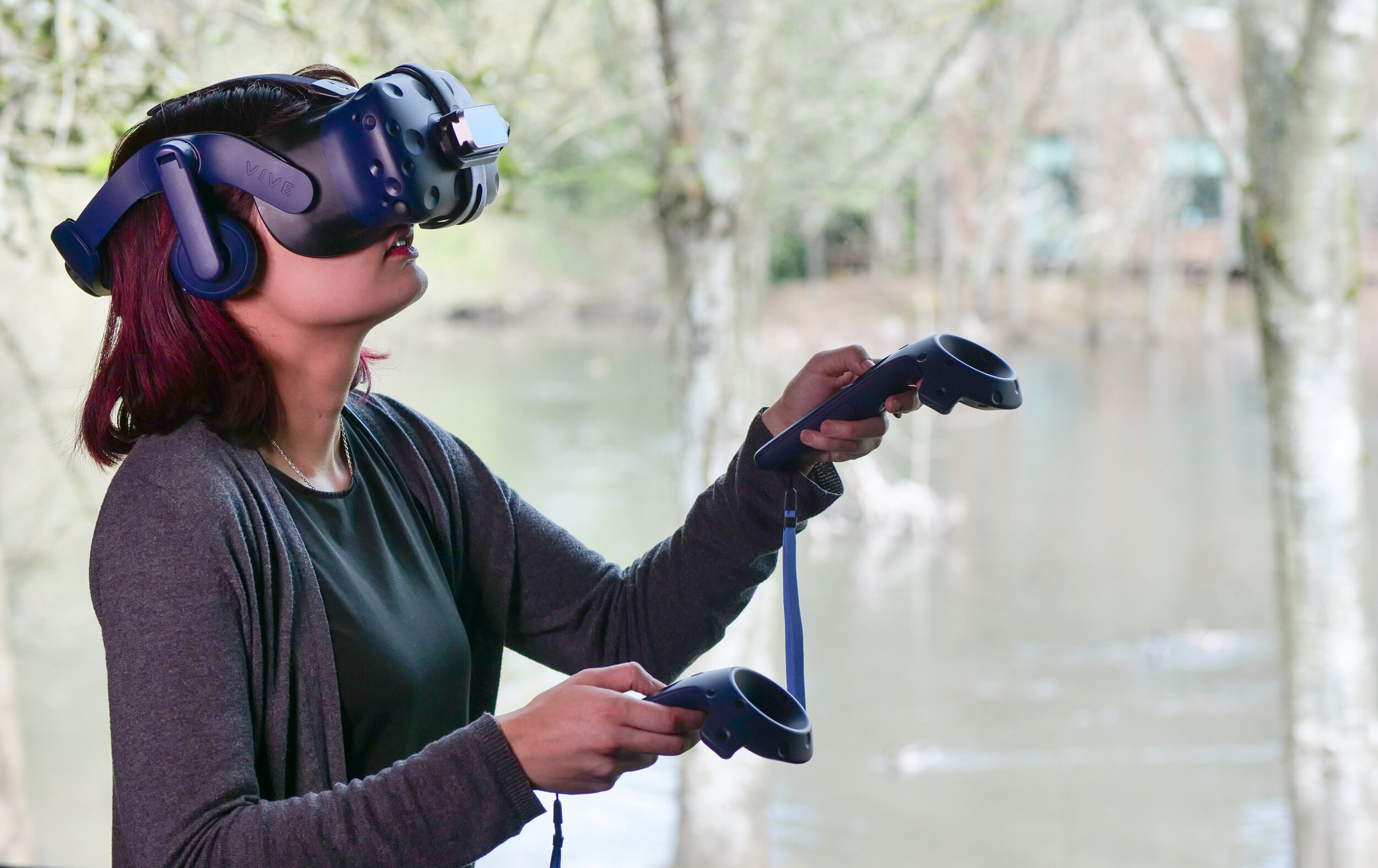
We use objective neurodiagnostic testing, including the same types of tools found in hospital vestibular clinics, along with neurorehabilitation strategies tailored to your brain and your condition.
-
We offer high-frequency treatment over 1-2 wee, with several sessions a day, so you can complete a concentrated course of care in a short amount of time.
See The Results
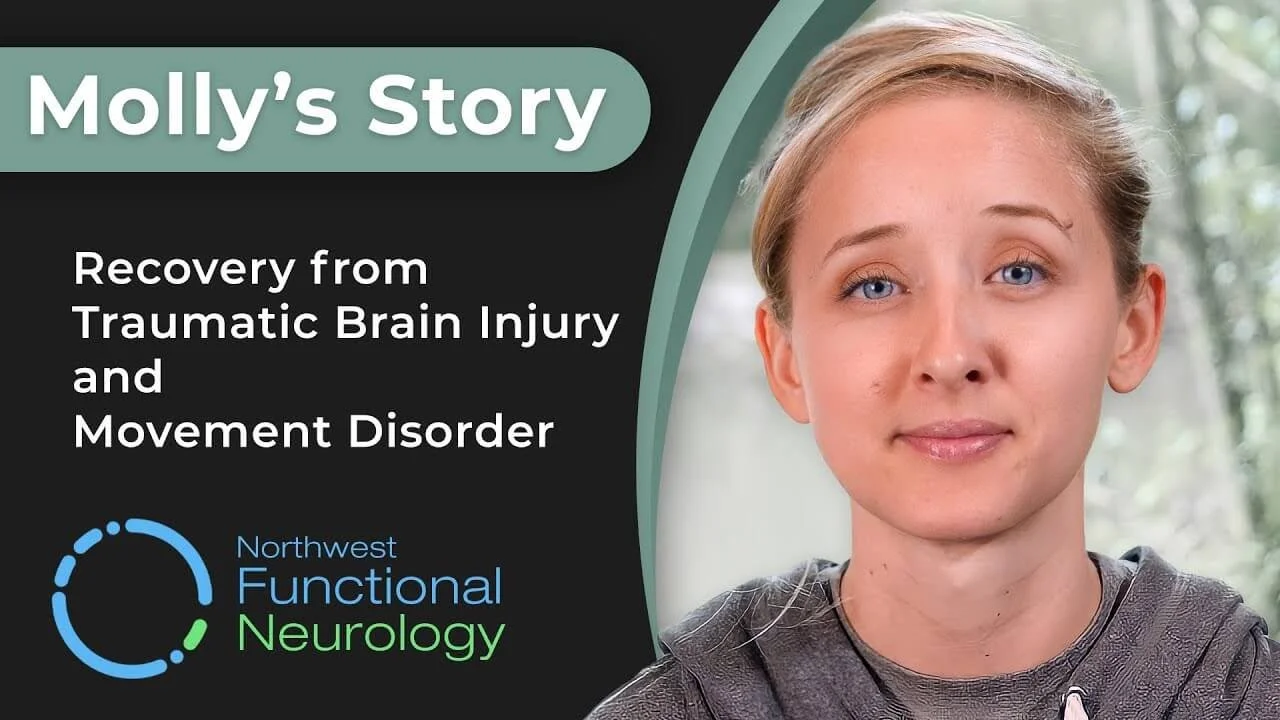
Molly suffered a Traumatic Brain Injury that left her with severe Post-Concussion Syndrome & a hyperkinetic Movement Disorder.