MOVEMENT DISORDERS

Living with a movement disorder can be deeply frustrating, overwhelming and disabling. Losing control over how your body moves can make it hard to do the everyday things that matter to you.
Your NeuroRescue Program is designed to support the parts of your nervous system that are still working well, with the goal of helping you improve your movement control and your ability to function in daily life. Our care works alongside your neurologist and other providers, never in place of them. Please don’t change or stop any medication without talking with your prescriber.
WHAT IS A MOVEMENT DISORDER?
Movement disorders are conditions that affect the brain’s ability to control movement. People living with them can lose control over how their body moves, have trouble making the movements they intend, and find it harder to take part in the world around them.
In the broadest sense, movement disorders fall into two groups. In hyperkinetic disorders, people have too much movement, such as unwanted or intrusive movements. Examples include tremor, dystonia, tics and chorea. In hypokinetic disorders, people have too little movement. Slowed movement and trouble starting a movement are hallmarks of this group, as in Parkinson’s disease and other forms of parkinsonism.
Some conditions involve both. In Parkinson’s disease, for example, a person may have a tremor along with slowed, stiff movement.
CONDITION TYPES
Dystonia | Essential Tremor | Ataxia | Myoclonus | Parkinson’s Disease
OUR APPROACH TO TREATINT MOVEMENT DISORDERS
Movement disorders come from problems in the brain systems that control movement. These include the cerebellum, the motor cortex, the basal ganglia and the pathways that let these areas communicate. Together, they work like the “gas” and “brake” pedals for movement. Many movement disorders involve an imbalance in these systems, which leads to either too much or too little of the movement you intend.
We use computerized testing and a detailed neurological exam to help identify which movement control systems are struggling, then create a rehabilitation plan designed for you, with the goal of helping you gain as much control over your movement as possible.Your NeuroRescue Program is designed to support the parts of your nervous system that are still working well, with the goal of helping you improve your movement control and your ability to function in daily life.
Our care works alongside your neurologist and other providers, never in place of them. Please don’t change or stop any medication without talking with your prescriber.
RESEARCH-GUIDED CARE
Research on movement disorders keeps advancing, with scientists continually studying better ways to test movement and improve quality of life. We use this research to help guide our testing and the therapies we choose for you. You can find some of this research here.
Learn More

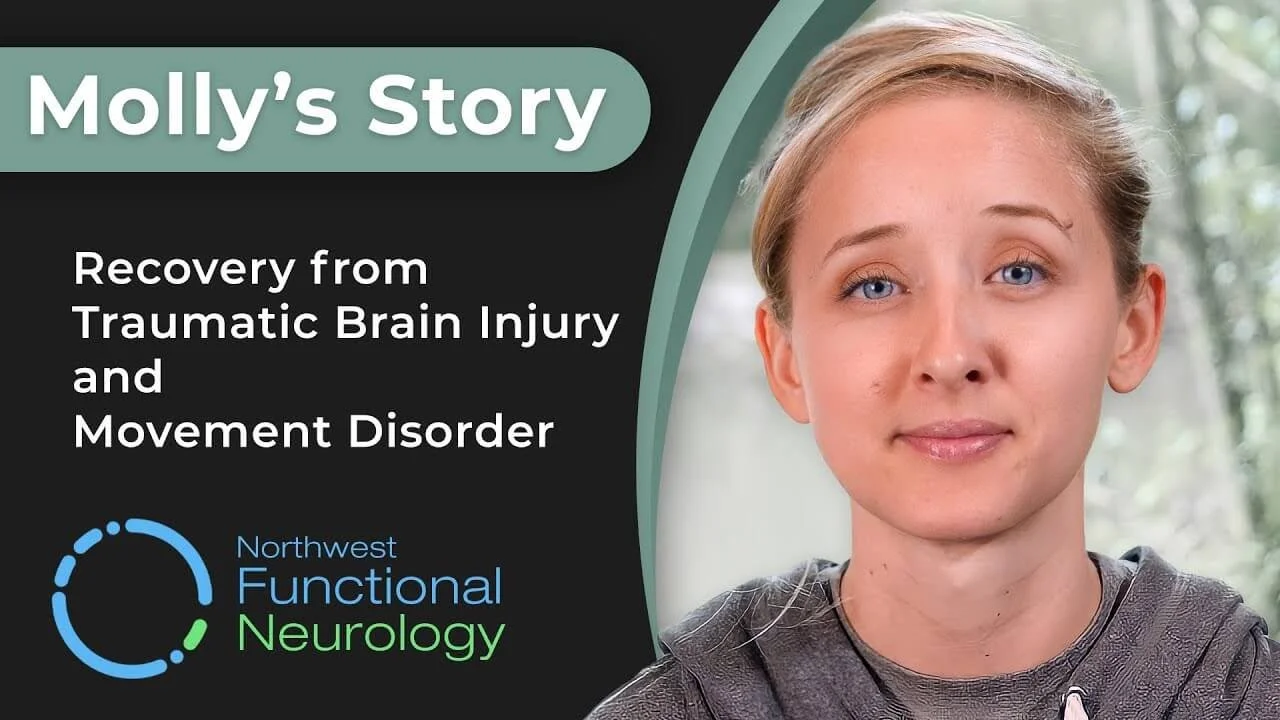
“In 2001 I was diagnosed with a movement disorder called dystonia. I was experiencing forced neck postures, severe jaw protrusion, and lost control of my tongue and had to use pen and paper to communicate in public.
Thanks to my exercises, my speech is clear now and the facial movements are gone. I am so much happier and I feel stronger and more confident. It’s very cool to have a personalized way to manage my disorder without drugs.
Dr. Zielinski has been amazing at staying with me every step of the way helping me balance the delicacies of my disorder. His knowledge and understanding of what is going on inside my brain have validated me and given me information I never had before. I couldn’t be happier with the outcome of my treatment so far. It’s a gift, like giving crutches to a lame person.”
A Brain-Based Approach to Movement Disorders

-
We use computerized neurological testing and targeted rehabilitation strategies designed for your brain and condition.
-
We offer intensive programs with frequent therapy sessions over 5 to 10 days, designed to give your nervous system consistent, repeated stimulation in a short period of time.
Hear From Our Patients